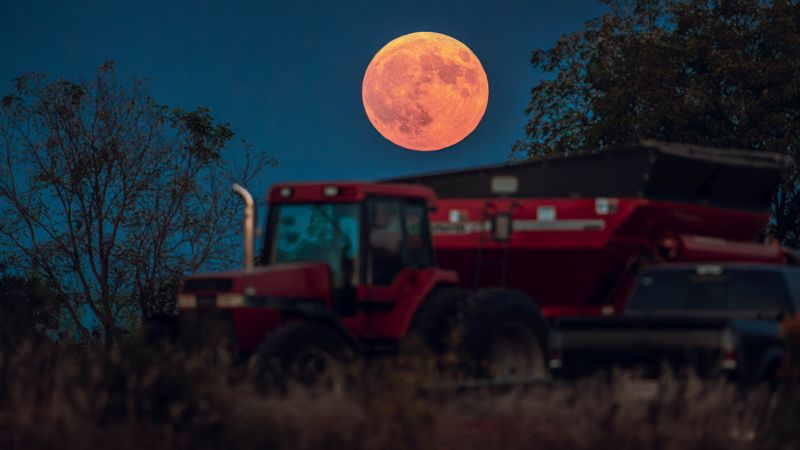
A Must-See Event: Total Lunar Eclipse and Full Corn Moon
#skywatching #celestial_display #full_corn_moon
Don't miss the spectacular celestial display this weekend as the full corn moon coincides with a total lunar eclipse!
The term "Native American Tribes" doesn't refer to a single organization but rather to a collective of federally recognized sovereign entities in the United States. These tribes, also known as tribal nations, are recognized by the U.S. government and have their own governance structures, cultural practices, and legal rights. There are 574 federally recognized tribes in the U.S., each with its unique history, culture, and contributions to society[2][6]. **History and Governance**: Historically, Native American tribes have been recognized as sovereign nations since their early interactions with European settlers. This sovereignty is fundamental to their political relationship with the U.S. government, allowing them to self-govern and manage their internal affairs[2]. **Key Achievements and Current Status**: Despite historical challenges, Native American tribes have made significant strides in reclaiming their cultural heritage and asserting their rights. Organizations like the National Congress of American Indians (NCAI) have played a crucial role in advocating for tribal sovereignty and promoting economic development and healthcare in Native American communities[5]. Today, tribes continue to work towards economic self-sufficiency and cultural preservation, often leveraging technology and innovative business models to achieve these goals. **Notable Aspects**: Native American tribes are not just cultural entities but also economic and political forces. They manage vast lands, operate businesses, and contribute to national discussions on energy, environment, and social justice. Their rich cultural heritage and innovative approaches to governance offer valuable insights for business and technology leaders seeking diverse perspectives and sustainable practices[9][10].
#skywatching #celestial_display #full_corn_moon
Don't miss the spectacular celestial display this weekend as the full corn moon coincides with a total lunar eclipse!